Why Experiential Leadership Development Works
By Lincoln Leadership Institute
Published on March 3, 2026
"Our transformational journey compressed years of leadership lessons into a single, unforgettable experience, where we thought together, decided together, and left more connected than when we arrived!"
— U.S. Inspector General
Leaders are under pressure to align teams, improve execution, and retain talent. The answer is not more content. It's the right shared experience, built around trust, communication, and learning. When leaders share time in a setting that requires real dialogue, real decisions, and real reflection, they build the habits that improve how teams communicate and operate. That is what makes experiential leadership development so effective.
Team Communication
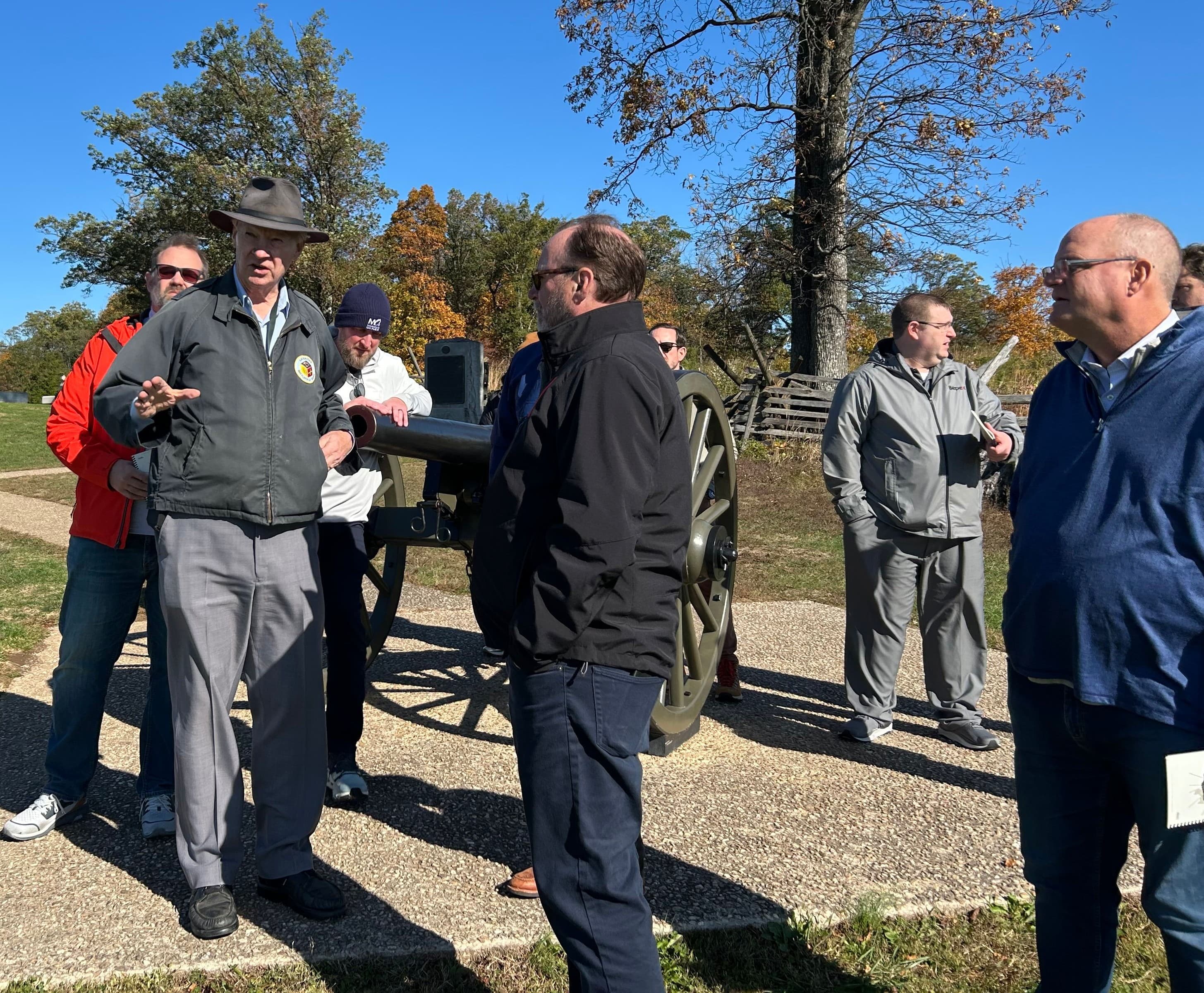
MIT Human Dynamics Lab research points to a simple truth: team performance is shaped by communication patterns: who speaks up, how people engage, and how the conversation moves. That is exactly why this matters to leadership and performance. At Gettysburg, we use the battlefield as a live case study and put leaders on the ground where high-stakes decisions were made, then guide structured discussions that sharpen how teams communicate, challenge assumptions, and make decisions together.
As leaders move through key decision points on the field, they are not learning history. They are practicing how to listen under pressure, surface competing viewpoints, speak with clarity, and align around a decision when the information is incomplete. We then use facilitated debriefs, led by an unmatched faculty bench of Navy SEAL commanders, Lincoln scholars, entrepreneurs, licensed battlefield guides, historians, and PhDs, all of whom are authors, to connect those moments directly to the way their teams communicate and execute back at work.
New Environments and Cognitive Flexibility
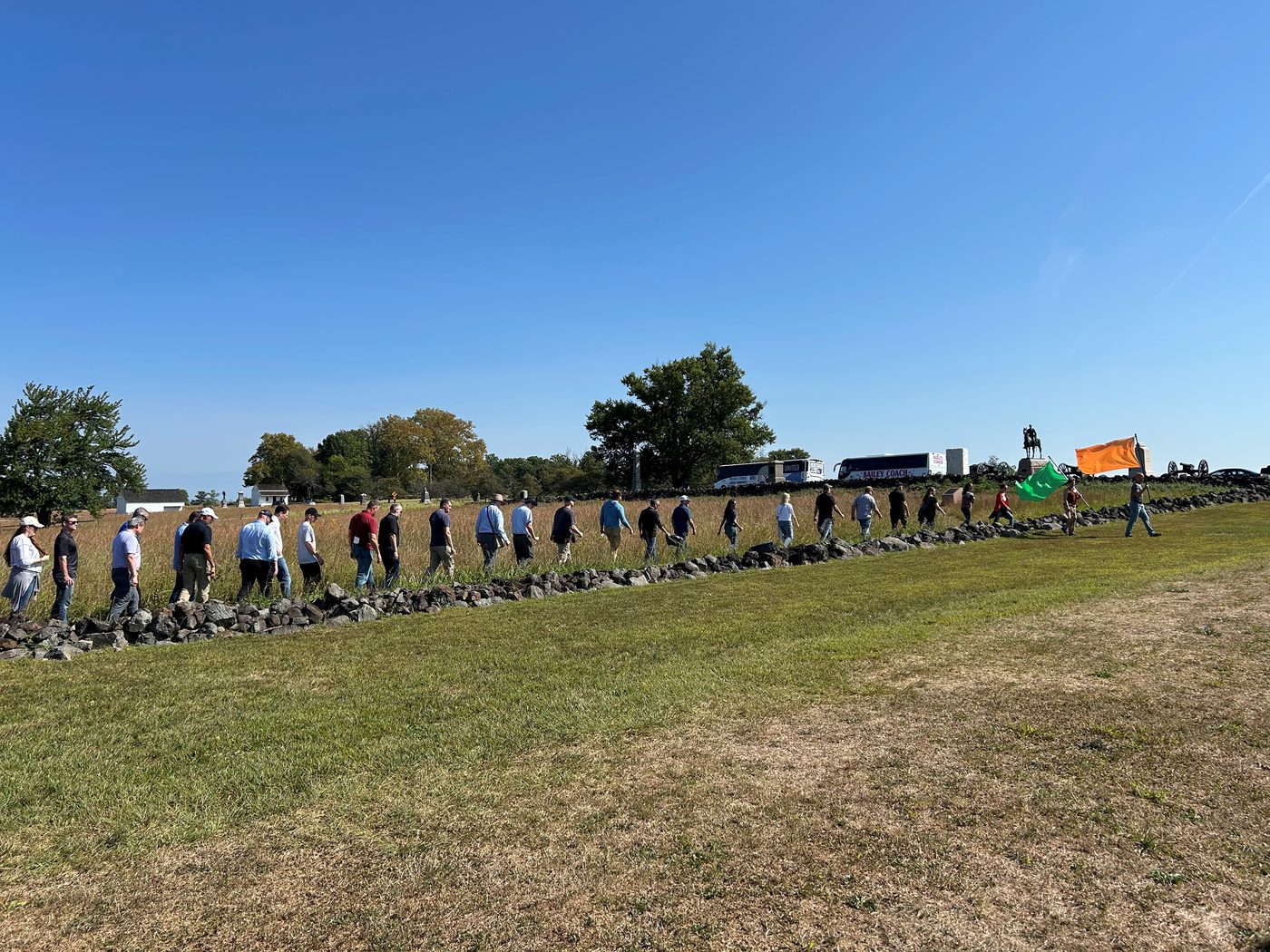
Stanford found walking can increase creative output, and University of Michigan has also highlighted how novel environments improve cognitive flexibility, strengthen memory and attention, and support big-picture thinking. For executive teams, that translates into better judgment when conditions change and the facts are incomplete.
Most breakdowns are not caused by low effort. They happen when people stay stuck in familiar patterns, miss weak signals, or fail to adjust quickly. That is why Gettysburg is such a strong setting for experiential learning. Participants are not sitting in a boardroom discussing decision-making in theory. They are on the ground, examining how terrain, timing, communication, and uncertainty shaped outcomes, and applying those lessons to the way they think, communicate, and execute back at work.
Shared Challenges and Psychological Safety
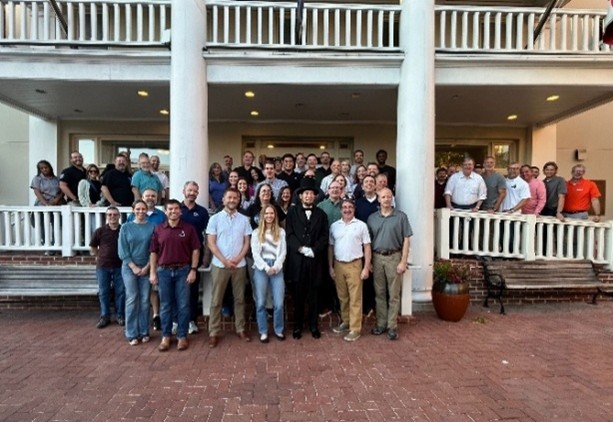
Harvard research on psychological safety reinforces a critical point for leadership teams. Studies have found that teams who spend intentional time together outperform remote-only teams on trust, communication quality, and problem-solving speed. Those gains support stronger performance under pressure and better retention over time.
At Gettysburg, we build for that outcome by putting leaders into demanding field-based discussions where they have to read the situation, voice concerns, test assumptions, and make decisions with incomplete information. Our faculty then lead focused reflections that draw out quieter voices, improve candor, and turn the experience into practical habits for raising risk early, handling disagreement, and executing with more alignment back at work.
Why Experiential Leadership Is Worth the Investment
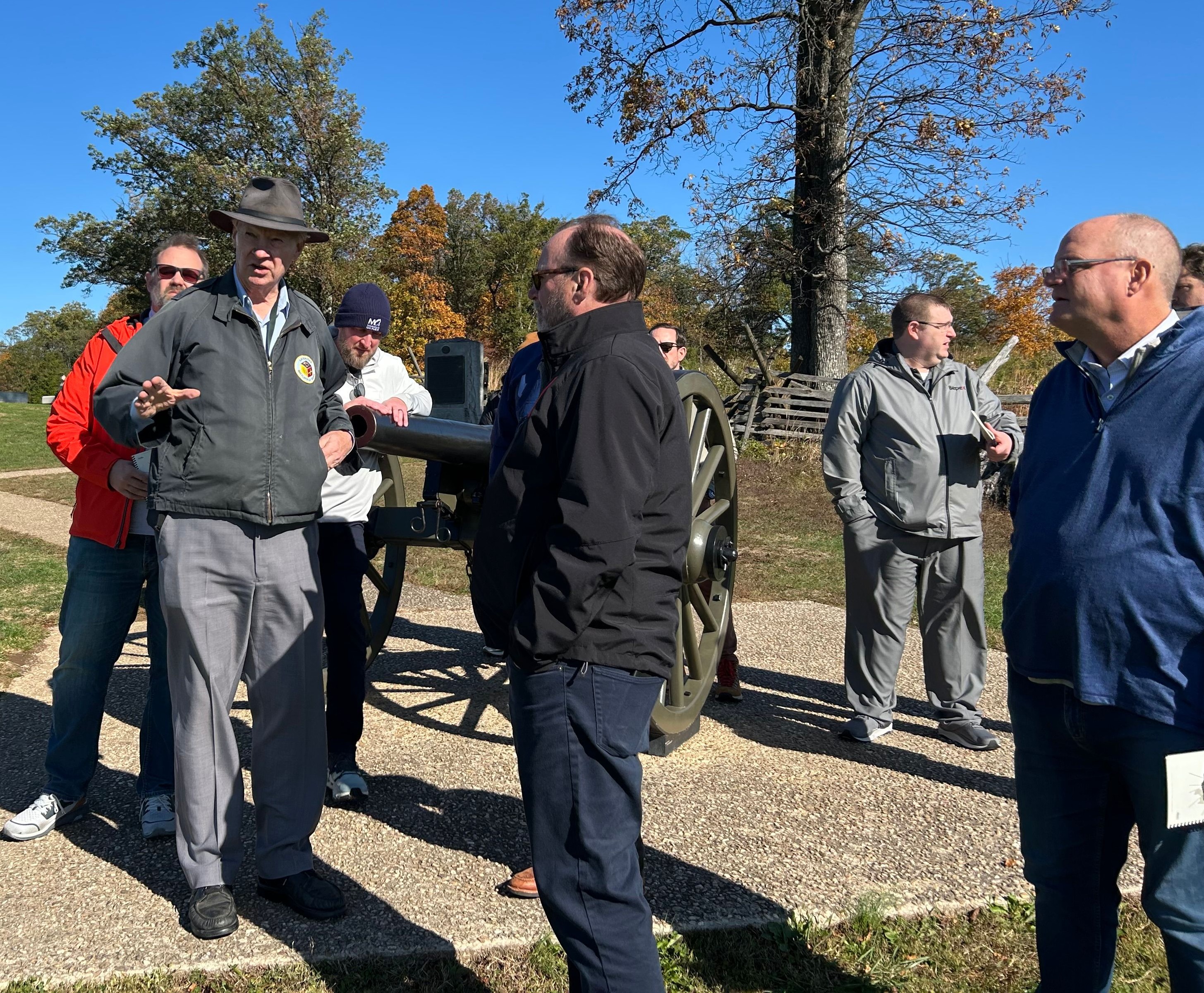
Experiential leadership development is worth the investment because it improves how leaders actually lead. It strengthens the conditions that drive results: trust, communication quality, decision speed, and execution under pressure. When leaders go through a demanding, well-led experience together, they do not just learn concepts. They build judgment. They build alignment. They build the habits that hold when the stakes are high.
This is why organizations invest in experiential learning with LLI. We do not just develop leaders. We transform them, equipping leaders to perform and produce in rapidly changing, stressful environments. It gives leaders a shared standard for how to think, communicate, and make hard calls. It helps teams surface risk earlier, challenge assumptions faster, and move with more clarity when timing matters. The return is not just a strong program experience. The return is stronger leadership performance back at work.
The Location Is the Classroom
Gettysburg is the center of our work, and the same model extends to other iconic locations. The location is the classroom, and the decisions are the curriculum.
- Gettysburg Leadership Experience — Where it all begins. Walk the battlefield where the fate of a nation was decided in three days.
- Normandy — The beaches and hedgerows of D-Day, where planning met chaos and leaders adapted under fire.
- Pearl Harbor — Where failure to act on warning signs changed the course of history.
- The Alamo — A defining stand that tested resolve, commitment, and the cost of leadership.
- VIRginia International Raceway — High-speed decision-making where timing, trust, and execution are measured in seconds.
Ready to invest in how your leaders actually lead?
Explore our programs and find the right experience for your team →
Experience it on the ground
These lessons come alive at Gettysburg
Reading about leadership is a start. Standing where the decisions were made changes how you lead. Join an open-enrollment program, or bring your team.