When the World Is Watching: Artemis II and Leadership Under Pressure
By Lincoln Leadership Institute
Published on May 20, 2026
When the countdown begins, the margin for error is nonexistent. At that point, the launch is no longer a theory, a plan, or a rehearsal. Every system has been tested, every assumption challenged, every role clarified, and every team member prepared for a moment that will expose the quality of all the work that came before it.
That is what makes a launch so instructive for leaders. The public sees the rocket rise, but the conditions for success are shaped long before liftoff.
This spring, our team had the honor of being invited to Kennedy Space Center to witness the launch of Artemis II, a defining moment in America's return to deep space exploration. For the Lincoln Leadership Institute at Gettysburg, the experience carried special meaning. We have had the privilege of hosting leaders from NASA, Artemis, Boeing, Blue Origin, SpaceX, Lockheed Martin, Northrop Grumman, Bechtel, and other organizations through our Transformational Journey in Gettysburg. These leaders joined more than 40,000 participants from 65 countries who have come to Gettysburg to study leadership, decision-making, and organizational alignment under pressure.
The achievement of Artemis II belongs entirely to the scientists, engineers, astronauts, technicians, and mission teams who made it possible. Our role is different. We help leaders step away from the pace of daily operations to examine how teams build trust, communicate under pressure, challenge assumptions, and execute when the stakes are high. Watching Artemis II rise into the sky was a reminder that extraordinary outcomes are rarely created in a single public moment. They are earned long before the world is watching.
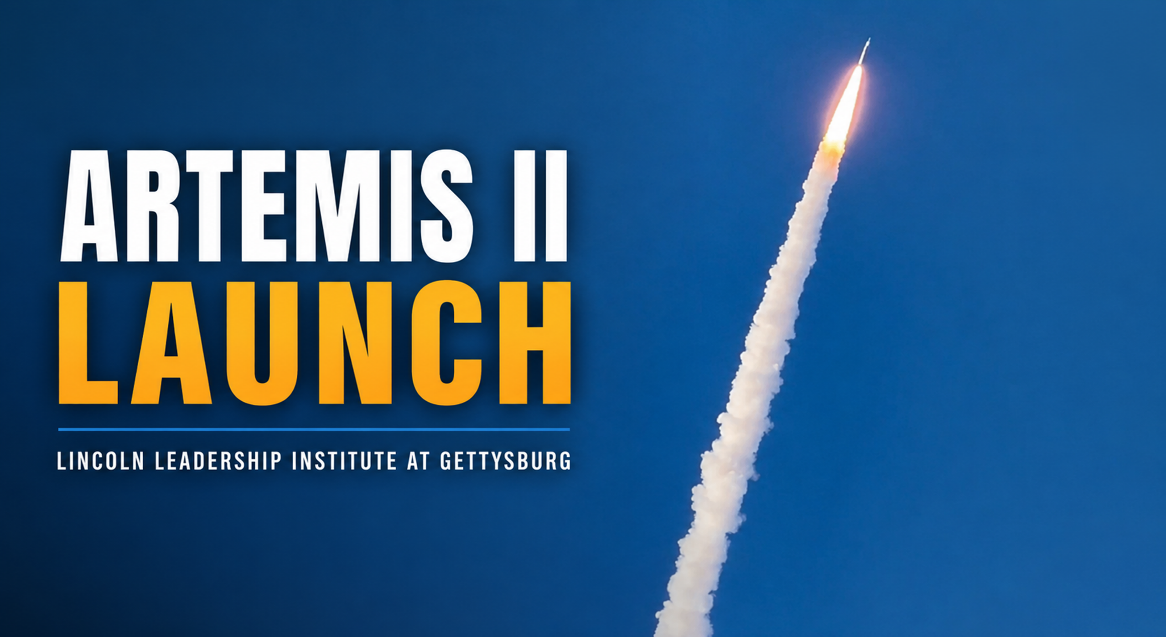 Click above to watch the Artemis II Launch
Before the Countdown
A launch captures attention because of its scale and intensity. The sound, force, and spectacle are unforgettable, but what stood out most at Kennedy Space Center was the discipline behind it all. By launch day, the critical work has already taken place.
That kind of readiness does not appear automatically. Leaders must know when to move decisively and when to pause long enough to reassess, because both choices carry consequences. The Battle of Gettysburg is rife with examples of the repercussions of not doing just that. Those instincts are built through accountability, clear standards, and a common understanding of what the work requires before the challenge arrives.
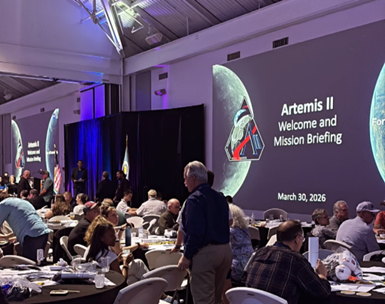
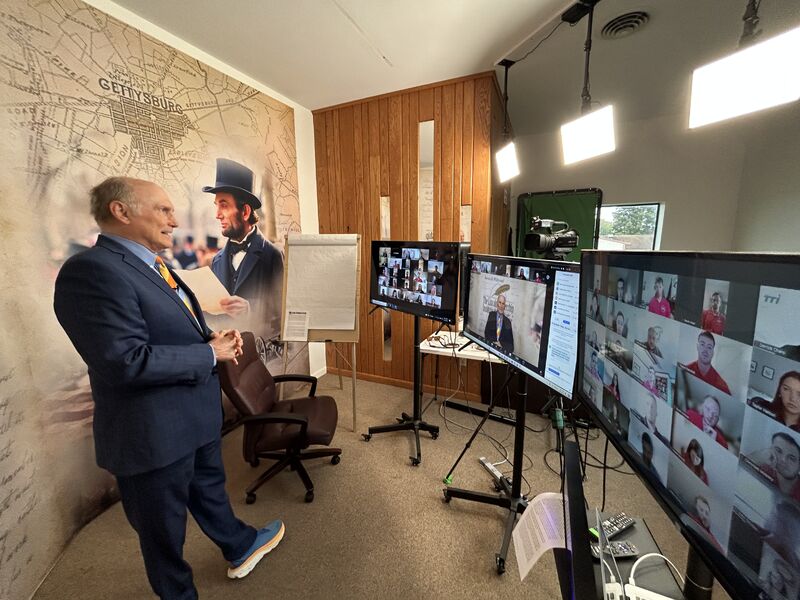
The LLI team had the opportunity to sit in on the pre-mission briefing hosted by Lockheed Martin. Pre-mission briefings are important because they create an environment for communication that builds trust, and gains buy in.
Why Gettysburg Still Matters
Gettysburg remains one of the world's great classrooms for leadership because the consequences here were real. In July 1863, commanders faced uncertainty, incomplete information, shifting conditions, exhausted personnel, and immense pressure. Some adapted to changing realities. Others failed to coordinate, failed to act in time, or recognized the cost of a decision only after the moment had passed.
The battlefield is quiet now, but the challenges remain familiar. At Gettysburg, teams walk the ground where judgment, timing, initiative, and execution had immediate consequences. They study moments when responsibility could not be avoided and choices changed the direction of events. Then they connect those lessons directly to the demands facing their own organizations.
For leaders involved in Artemis and other complex work, the parallel is clear. Leaders must know when to keep moving or pause long enough to adjust. Space exploration is modern, technical, and complex. Gettysburg is historic ground. Yet both reveal the same truth: success depends on people making sound decisions in uncertain conditions. Technology matters. Systems matter. Expertise matters. Ultimately, people determine whether the mission succeeds.
The Lesson Behind the Launch
The Artemis II launch demonstrated what disciplined preparation and coordinated execution can achieve. Technical excellence was essential. So were focus, judgment, trust, and the ability of teams to stay connected through years of demanding work. That intersection between leadership and execution is central to what we study at the Lincoln Leadership Institute at Gettysburg.
Through the Transformational Journey, leaders step outside their normal routines and onto historic ground where difficult decisions unfolded in real time. They study the battlefield not as distant history, but as a living case study in how organizations respond to uncertainty, disagreement, changing conditions, and the cost of delayed action.
The lessons endure because participants learn emotionally as well as intellectually. Leaders still have to make decisions without having every answer. Teams still have to raise concerns before the damage is visible. Organizations still have to hold together when conditions become difficult and the cost of misalignment grows.
"Transformational Journey to Gettysburg was an effective, impactful, and enjoyable hands-on learning experience. I was amazed how applicable the lessons from the Battle of Gettysburg were to our present-day leadership challenges."
— Julia Khodabendeh, Deputy Manager SLS Booster Project Office, NASA's Marshall Space Flight Center
The battlefield is the classroom, and the decisions are the curriculum.
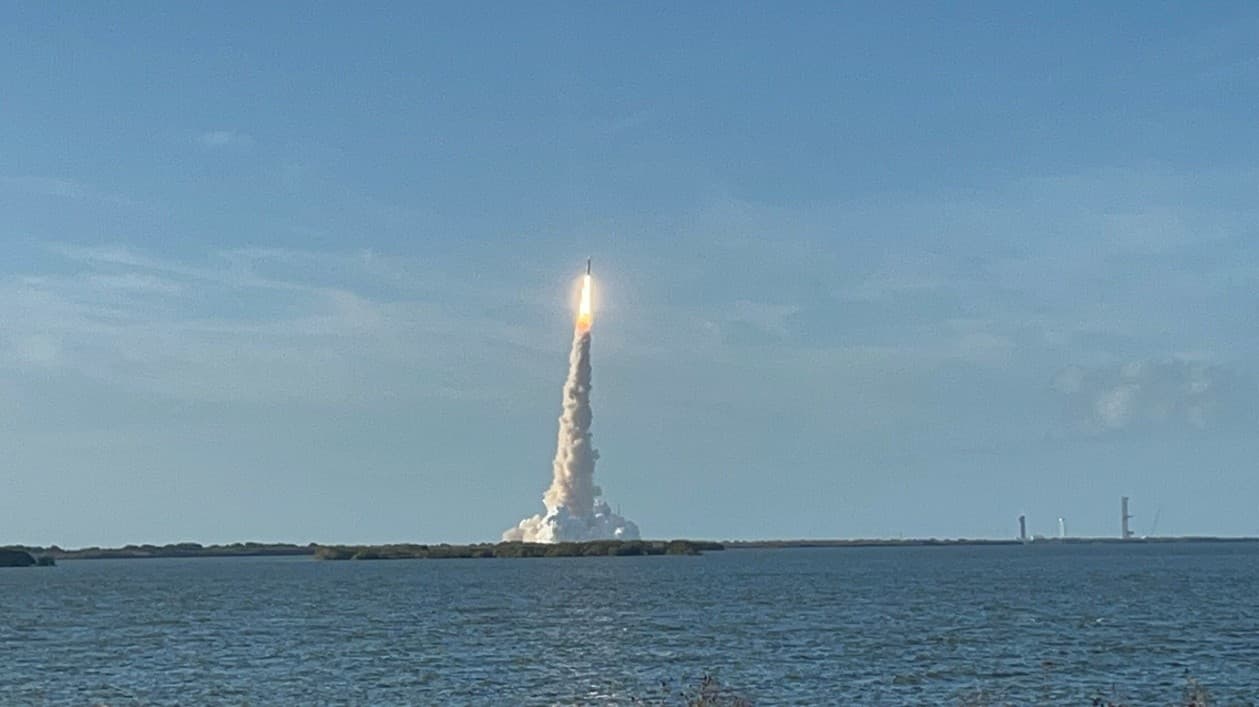
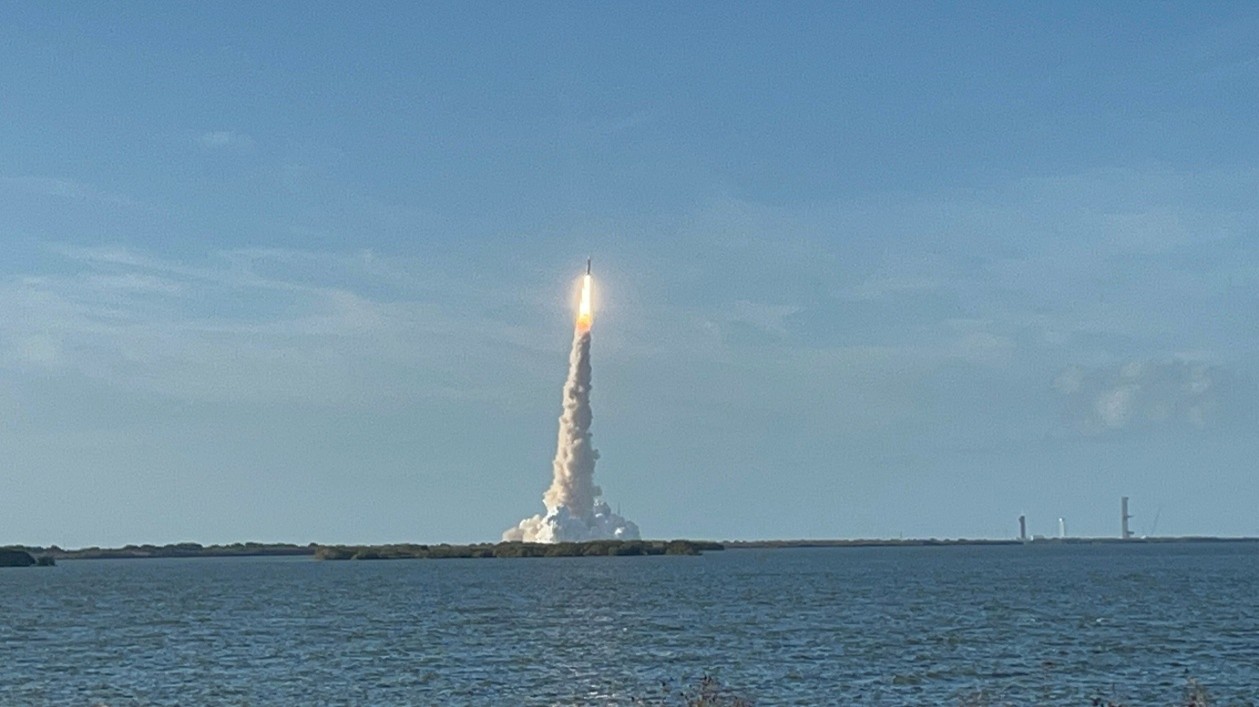 Up close and personal view of the launch
From Gettysburg to the Moon and Beyond
Gettysburg asks leaders to slow down and examine how critical decisions are made under stress. Artemis II showed what can happen when preparation, trust, and purpose are sustained over time in pursuit of an ambitious objective. The settings may be vastly different, but the responsibility is familiar to anyone charged with leading people through uncertainty.
At Gettysburg, leaders have the time and space to think together, challenge assumptions, study command decisions, and reflect on how their own teams operate in rapidly changing, stressful environments. They leave with a shared experience and a clearer standard for the decisions still ahead.
"The Lincoln Leadership Institute compresses years of leadership lessons into a single, unforgettable experience. Our teams think together, decide together, and leave more connected than when they arrived."
— U.S. Inspector General
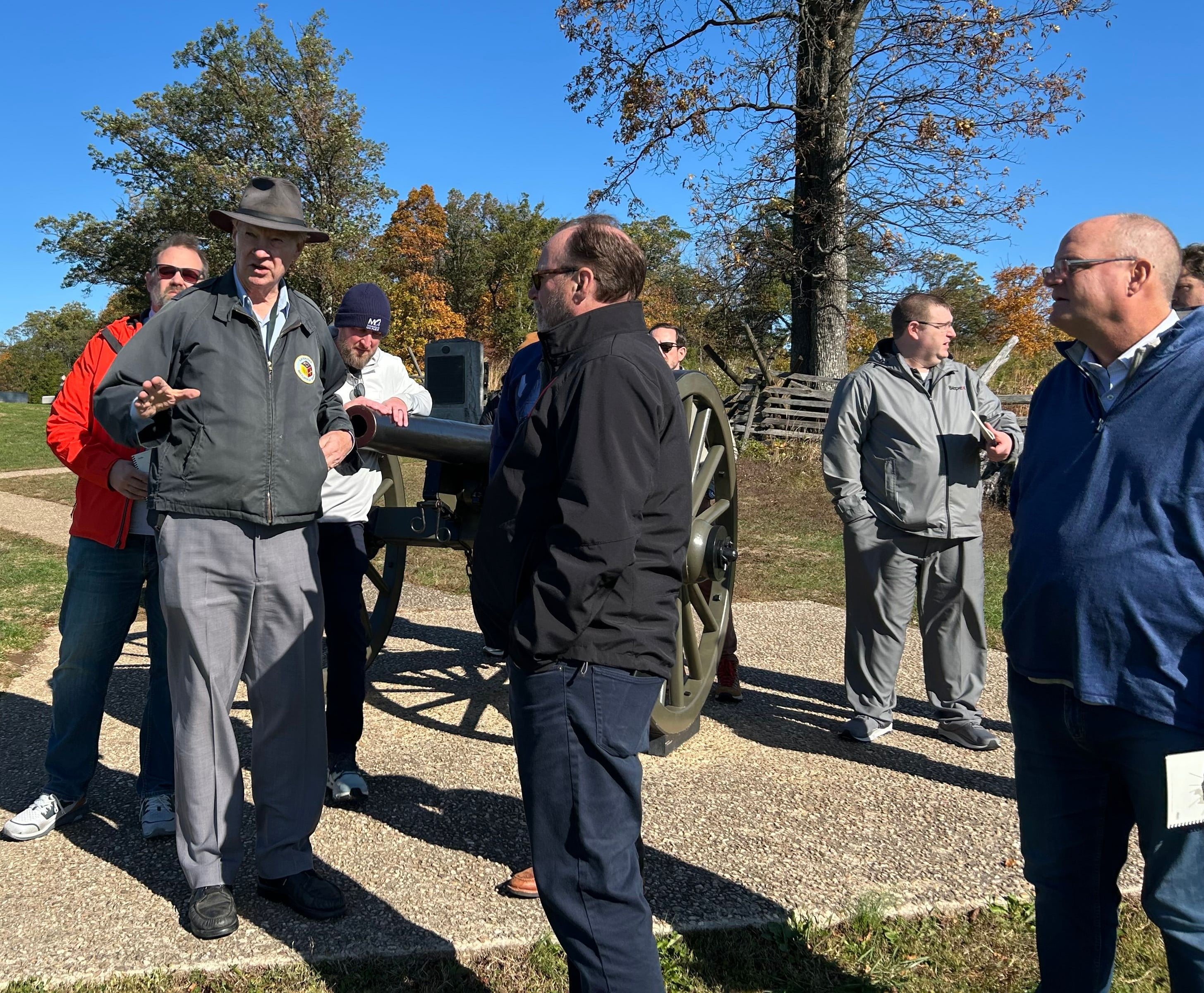
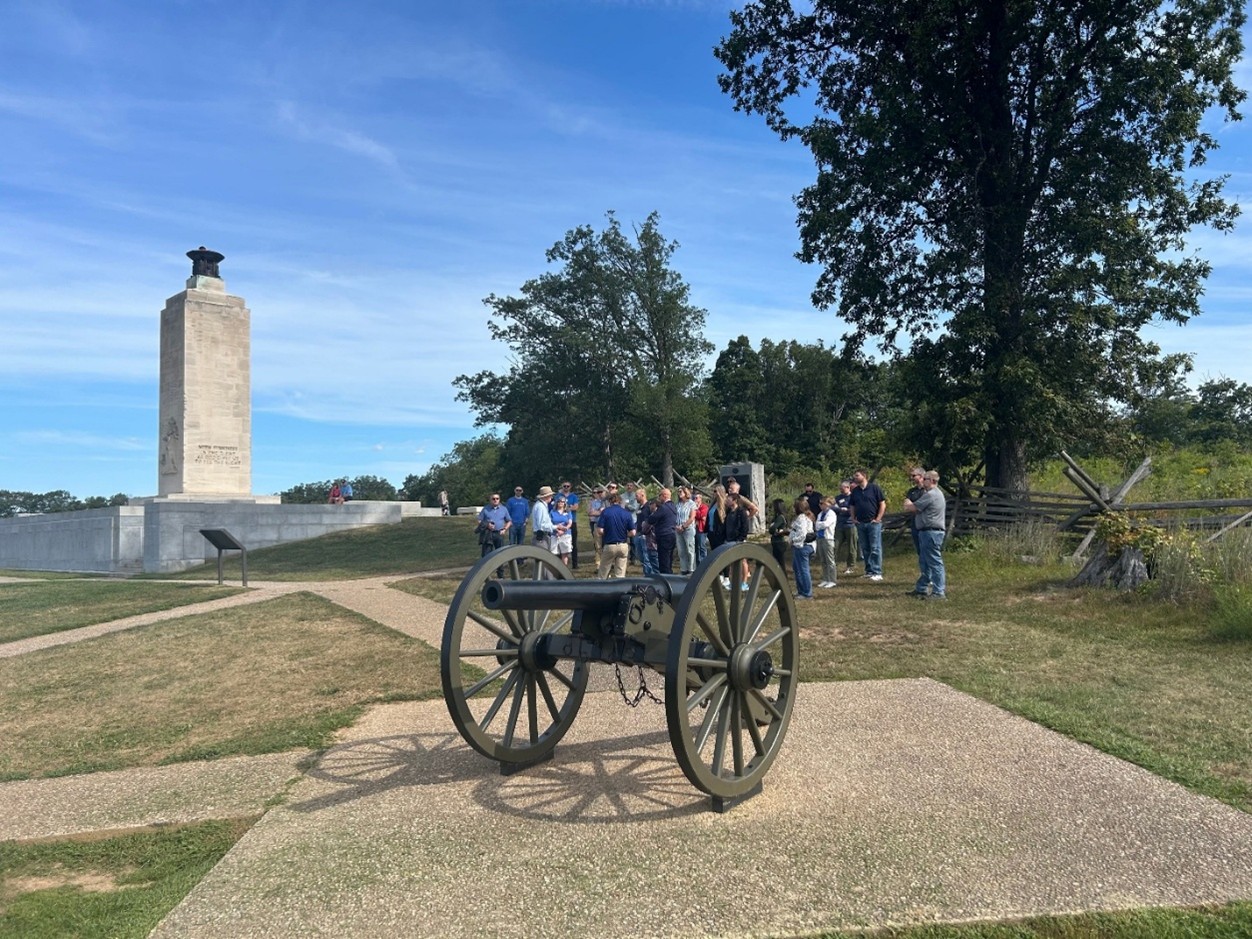 Artemis II leaders in Gettysburg on Oak Ridge
Related Story:  ABC News covered Artemis leaders coming to Gettysburg to study leadership, communication, and decision-making on historic ground. Watch the ABC News story →
Bring Your Team to Gettysburg
If your team is preparing for important work, Gettysburg remains one of the most powerful places in the world to study leadership, alignment, and decision-making under pressure. The ground gives leaders a shared experience, a practical framework, and a standard they can carry back to the work that matters most.
Experience it on the ground
These lessons come alive at Gettysburg
Reading about leadership is a start. Standing where the decisions were made changes how you lead. Join an open-enrollment program, or bring your team.