Quiet Ground: Winter Reflections from Gettysburg
By Scott Avellino Jr.
Published on January 28, 2026
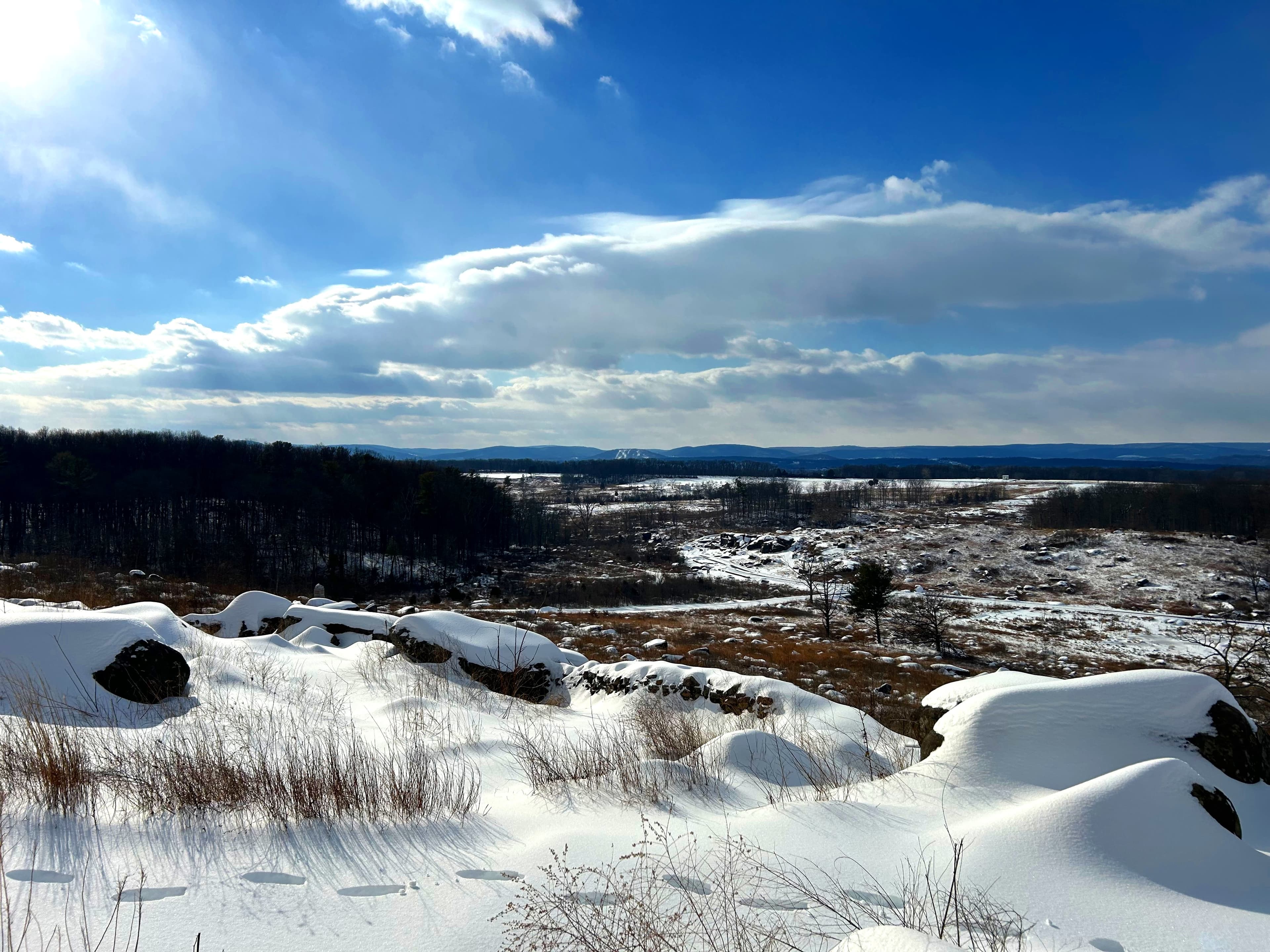
162 years ago, in July 1863, Gettysburg was tested by one of the bloodiest battles in American history. After the fighting, the field went quiet.
This weekend, a snowstorm covered the battlefield and turned it quiet again.
In that quiet, we are reminded that reflection is part of leadership—especially before the next high-pressure decision.
A Walk Through Sacred Ground
The snow transforms Gettysburg into something otherworldly. The same fields where 165,000 soldiers clashed now rest under a blanket of white, inviting us to slow down, to think, to prepare.
Little Round Top
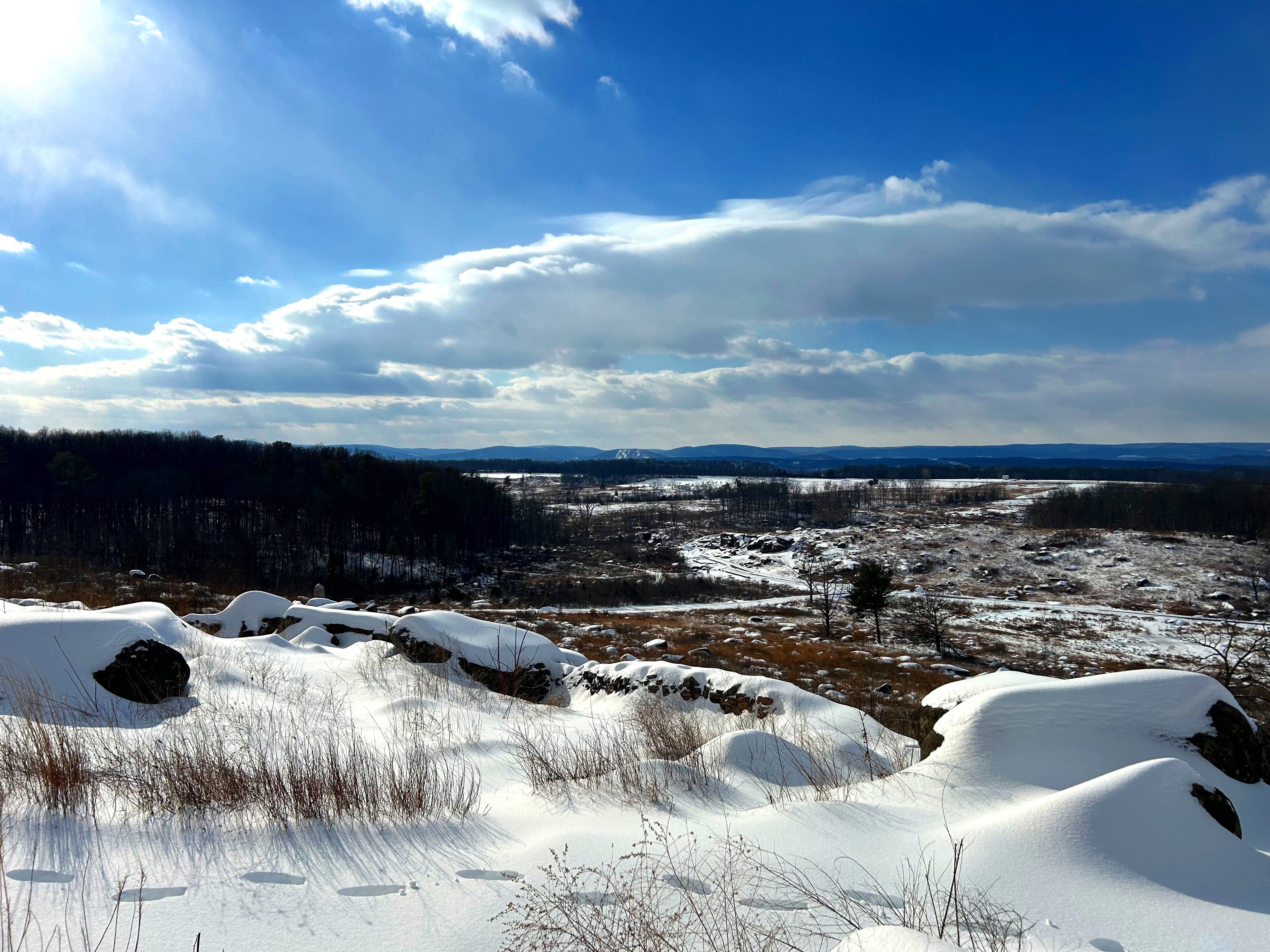
This rocky hill changed the course of American history on July 2, 1863. Colonel Joshua Lawrence Chamberlain and the 20th Maine held the left flank of this position against overwhelming odds. In the quiet of winter, you can almost hear the echoes of their determination.
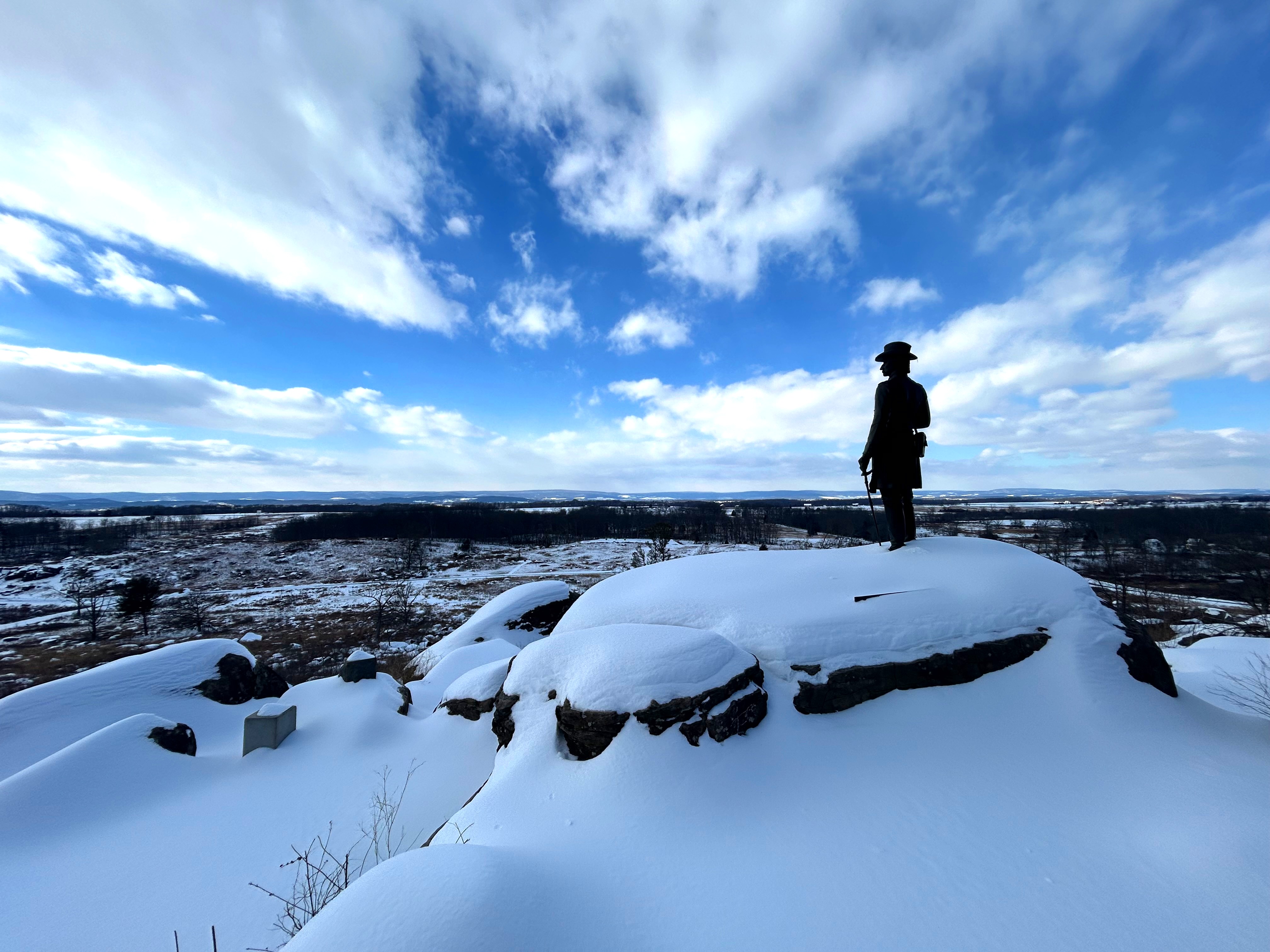
General Gouverneur K. Warren stands eternal watch over the valley. It was his reconnaissance that identified the critical importance of this position—a reminder that leaders must see what others miss.
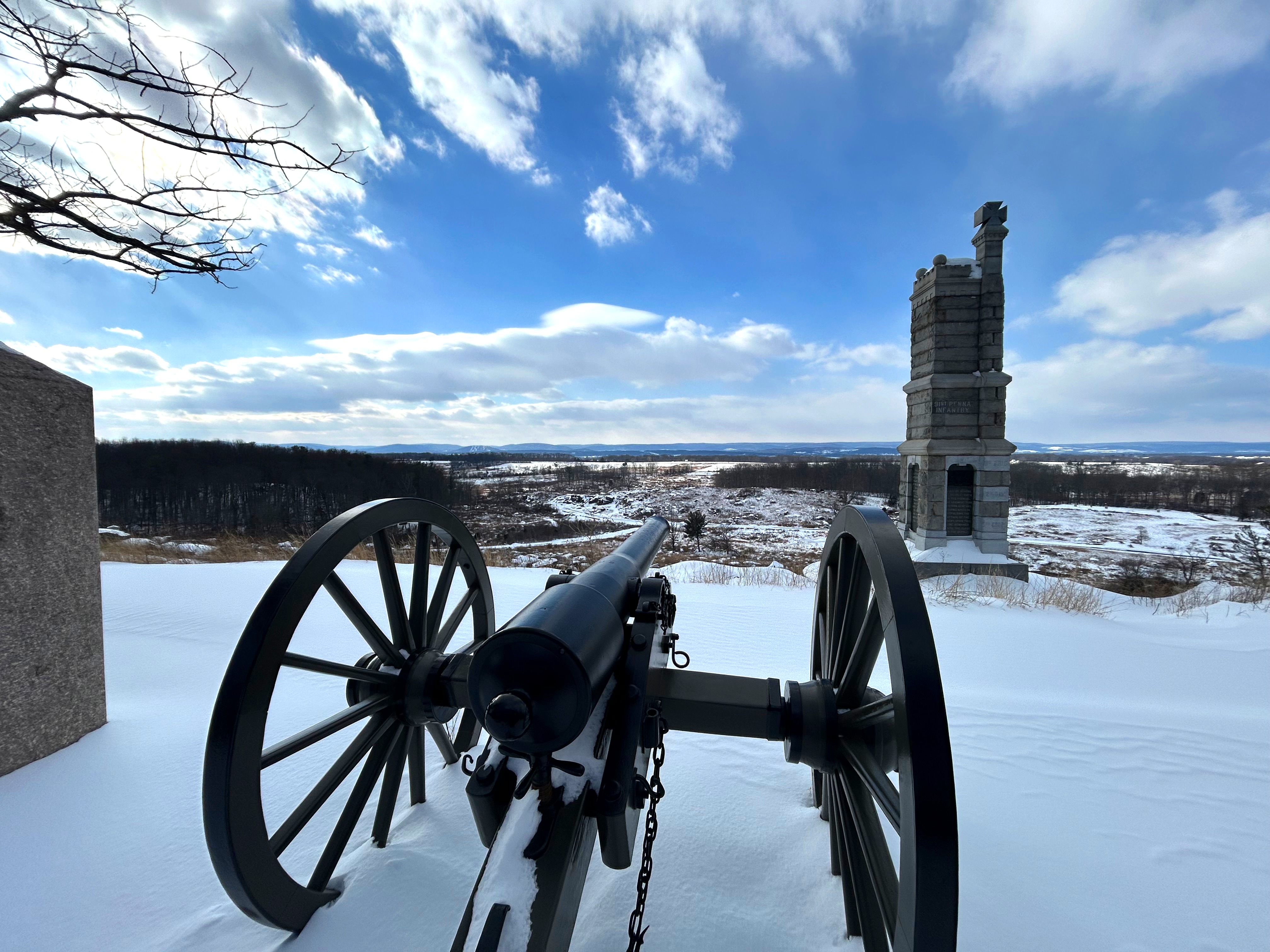
The artillery pieces remain, pointing toward the threat that came all those years ago. Leadership sometimes means standing firm when retreat would be easier.
The Heart of the Battlefield
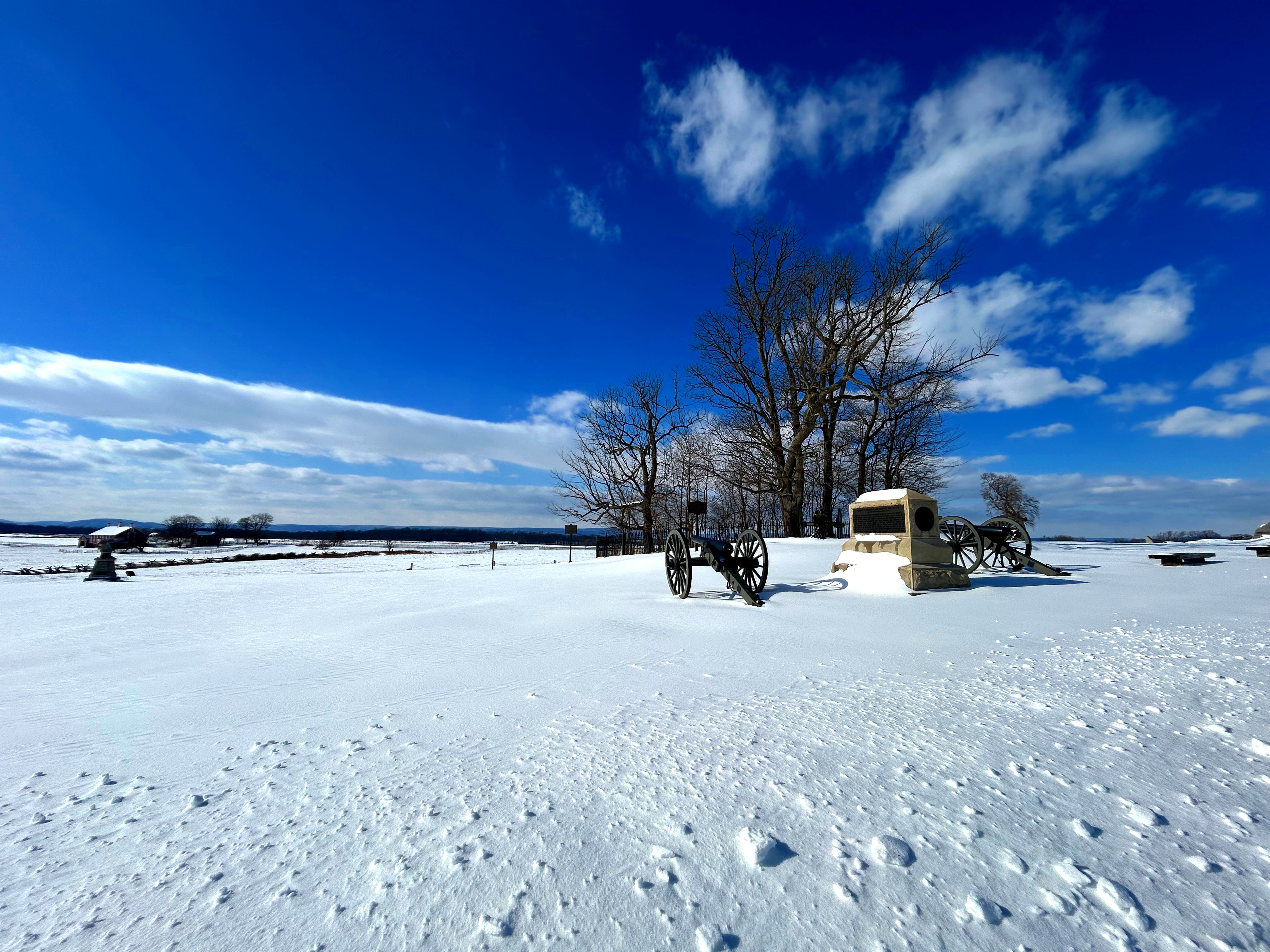
The Copse of Trees—the "high-water mark of the Confederacy." On July 3, 1863, Pickett's Charge reached this point before being repulsed. Every leader faces their own high-water marks: moments of maximum effort, maximum risk, maximum consequence.
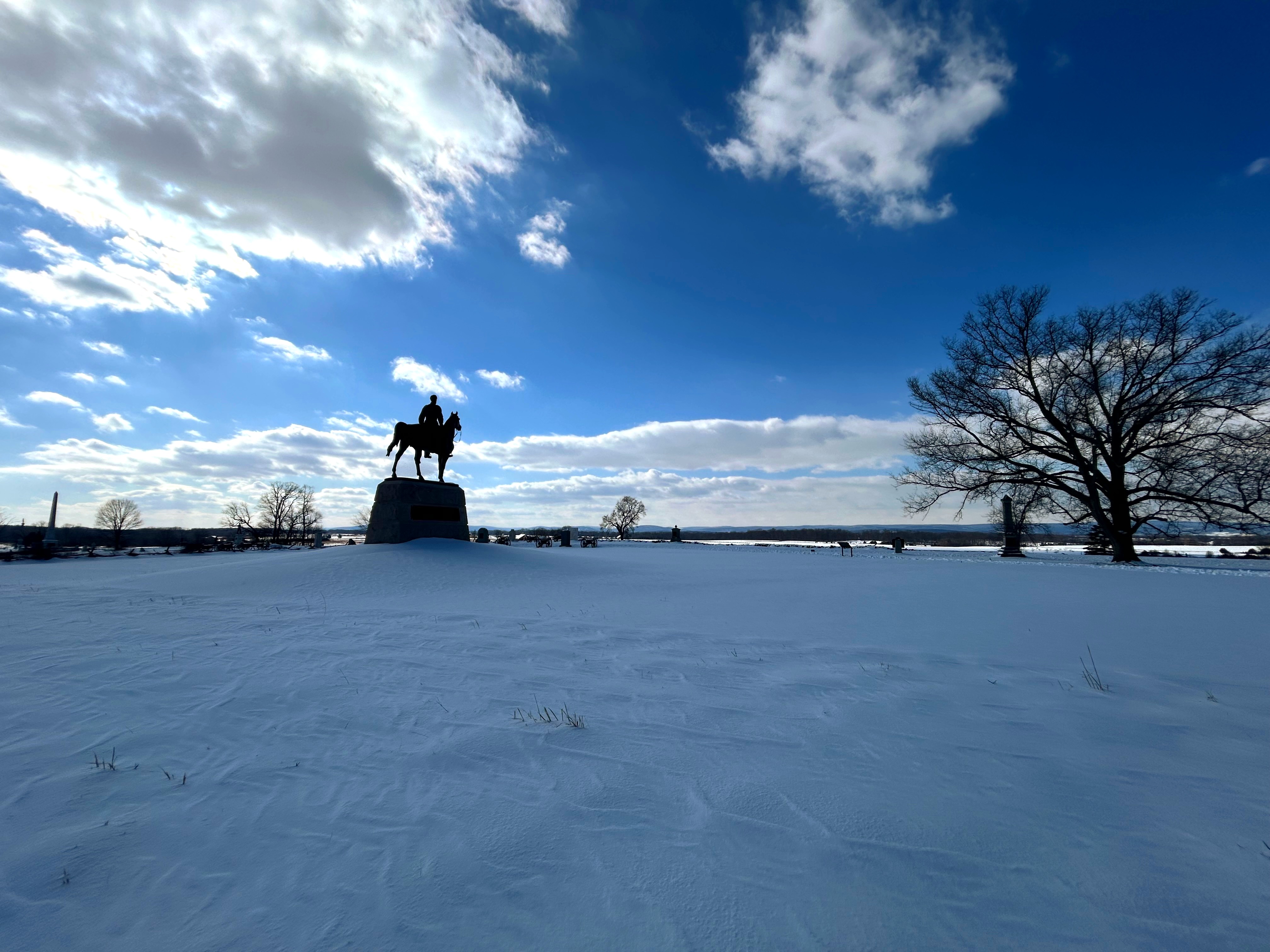
General George Meade commanded the Union forces to victory at Gettysburg, having taken command just three days before the battle. His monument stands as testimony that leaders must be ready to perform when called, regardless of preparation time.
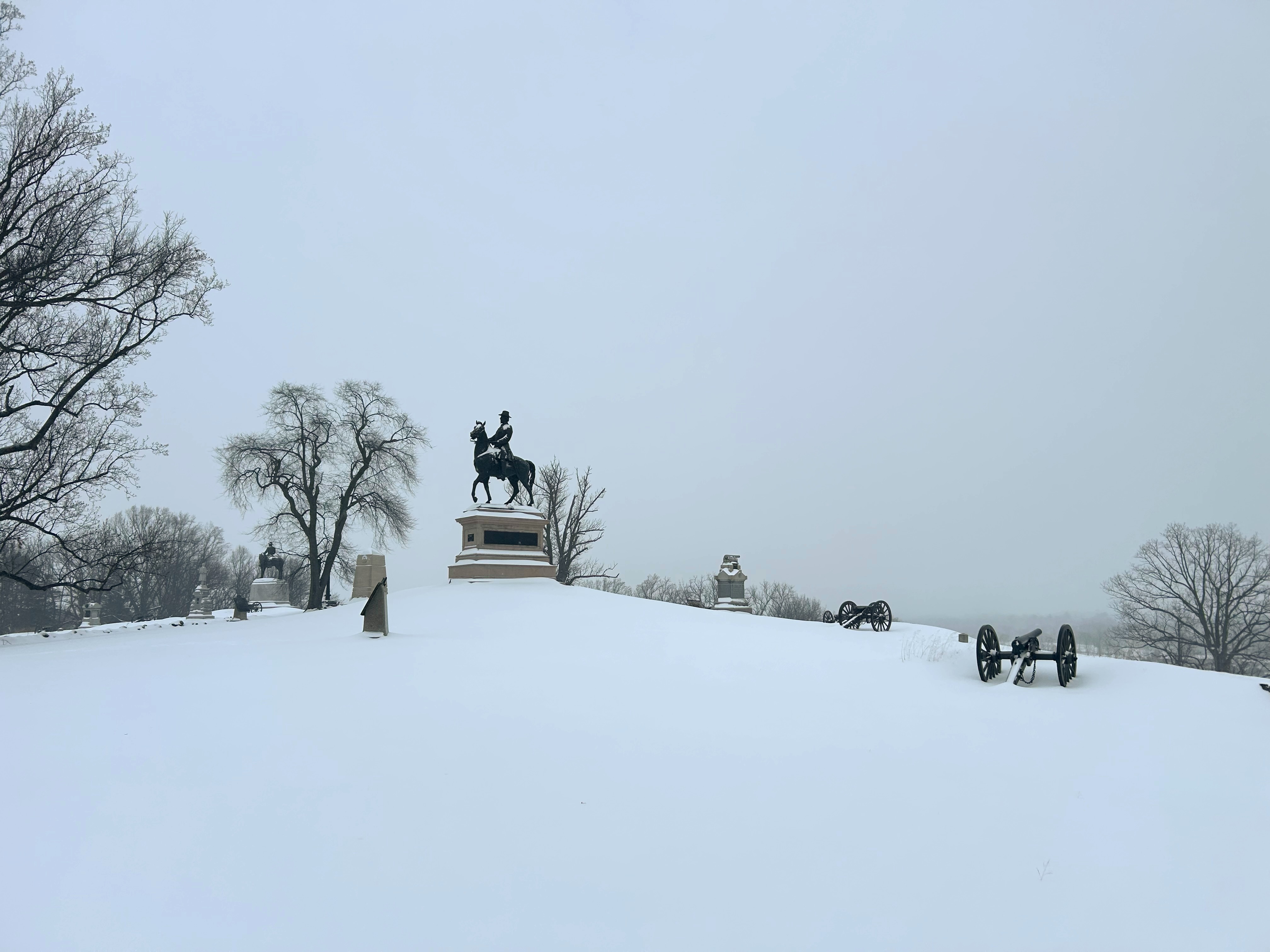
Cemetery Hill anchored the Union's "fishhook" defensive line. General Winfield Scott Hancock rallied the troops here after the devastating first day. Leadership is often about what you do after the first setback.
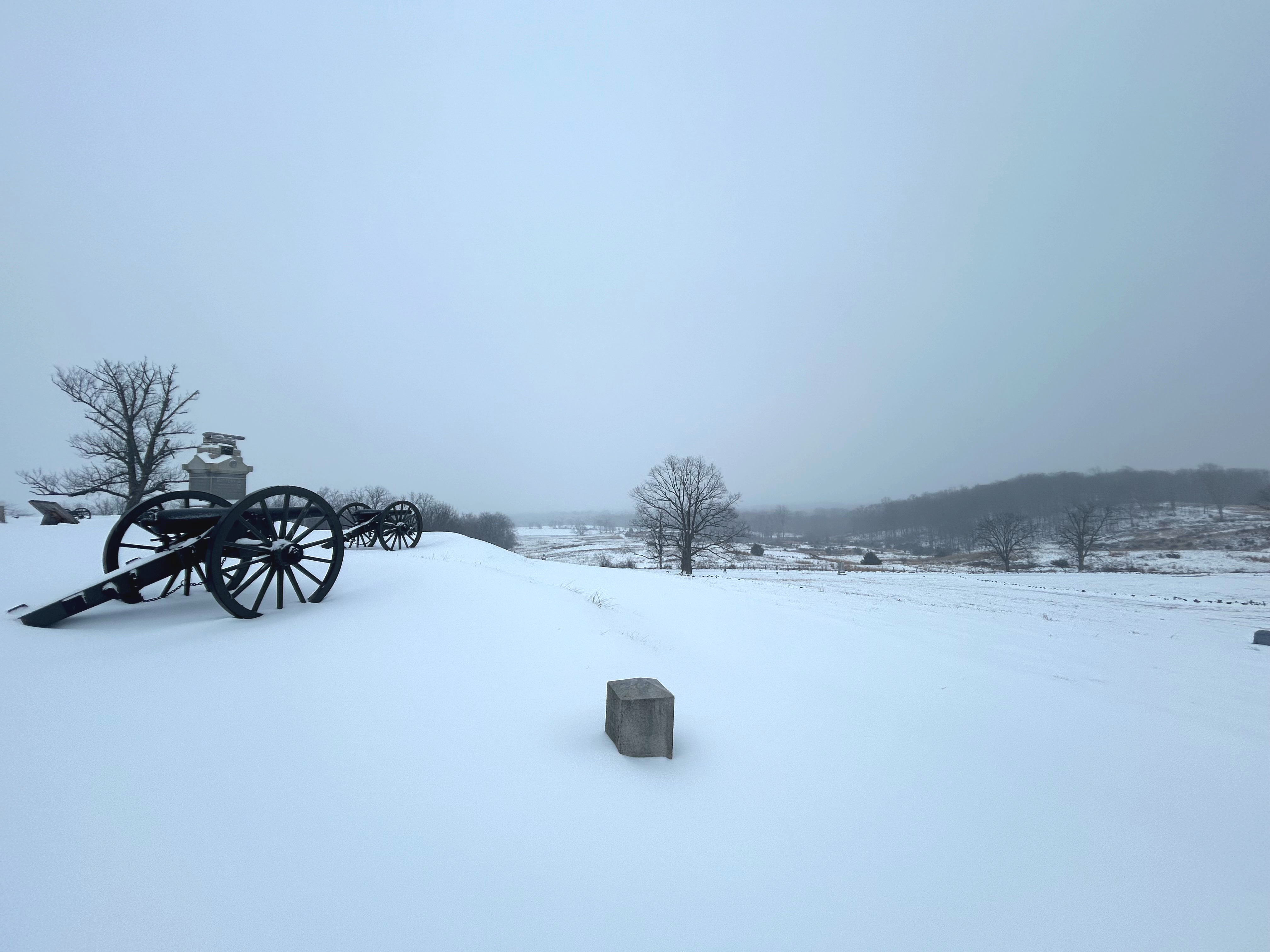
Looking toward Culp's Hill from Cemetery Hill. The interconnected defensive positions remind us that no leader succeeds alone—strategy requires coordination across the entire organization.
The Opening Ground
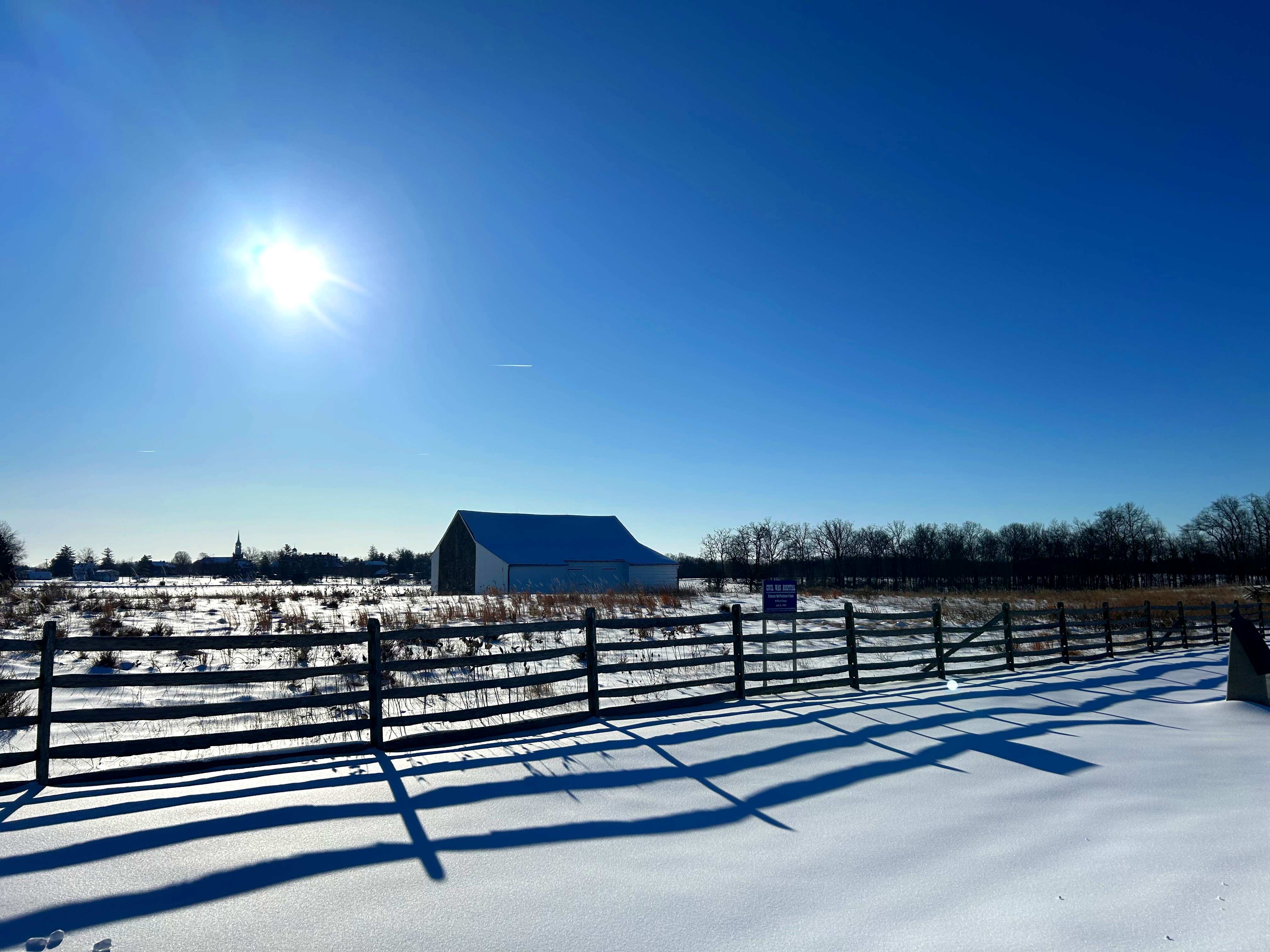
McPherson's Barn witnessed the opening shots of the battle. Here, Brigadier General John Buford made the fateful decision to hold ground against a larger force, buying time for reinforcements. Sometimes the most important leadership decisions happen in the first moments of crisis.
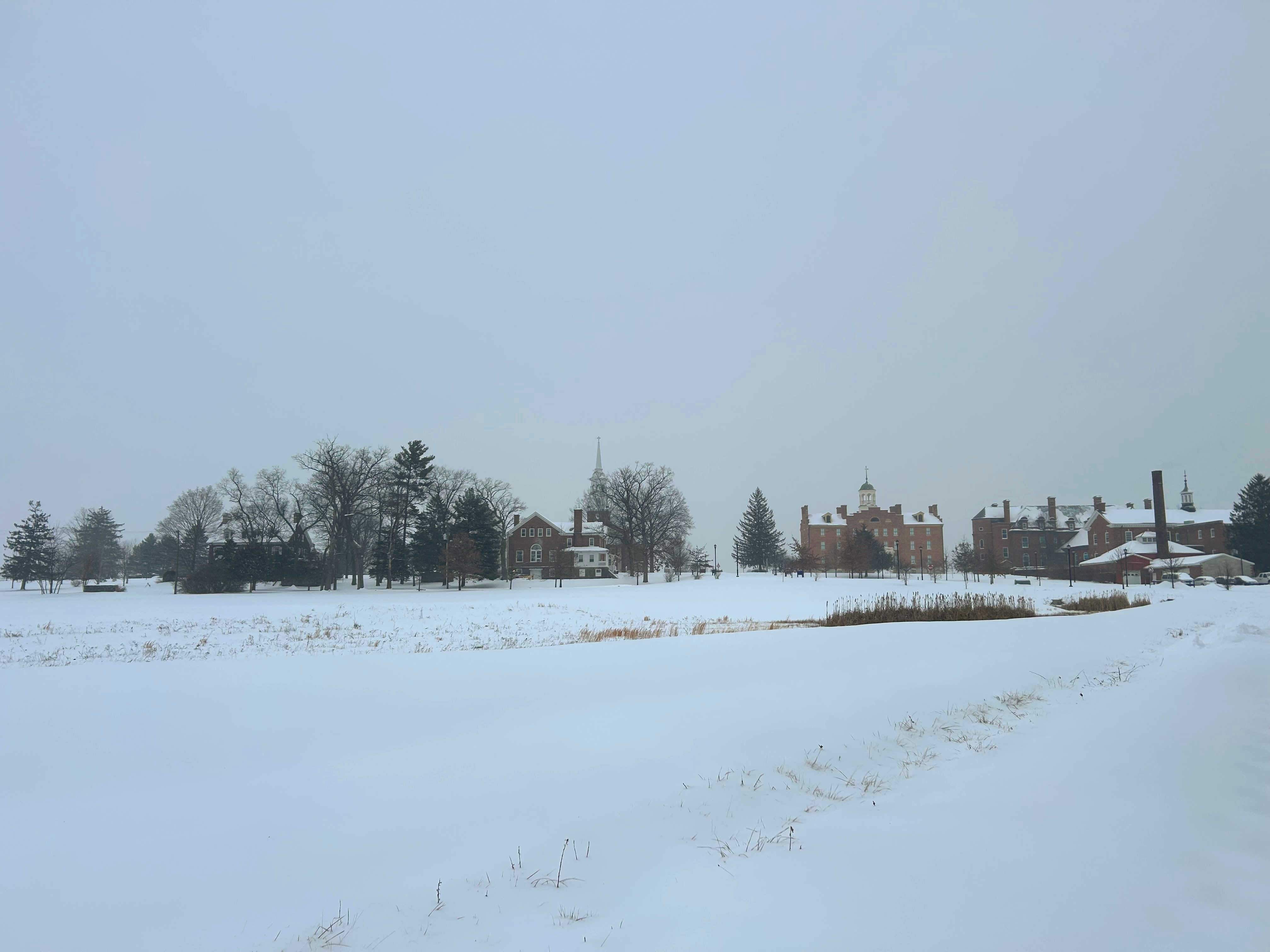
Seminary Ridge served as the Confederate headquarters and launching point for Pickett's Charge. From this vantage point, Robert E. Lee made decisions that would define his legacy—a reminder that perspective shapes strategy.
The Town and Its People
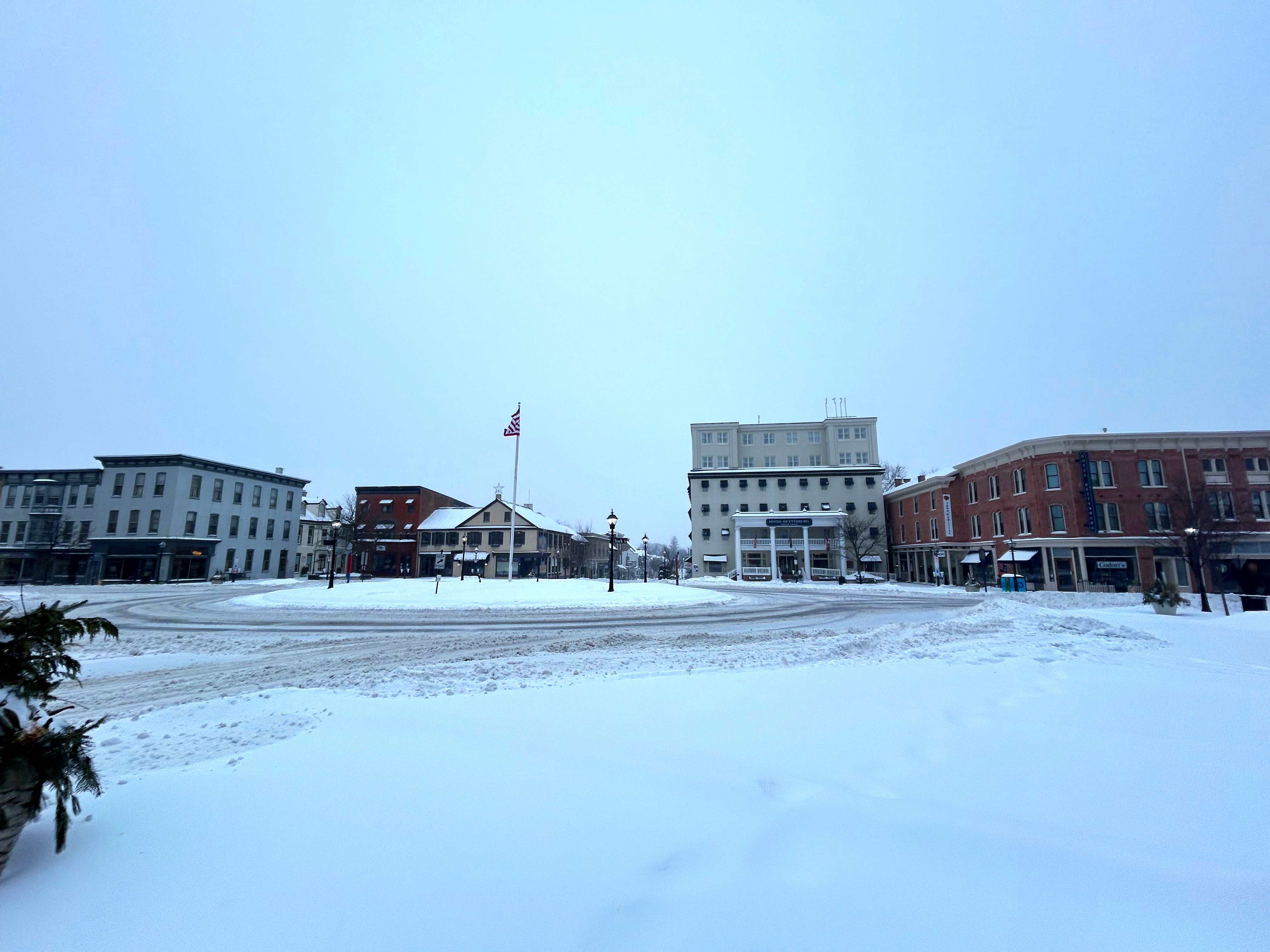
The Diamond—Gettysburg's town square—stands peacefully under winter snow. This small town became the accidental host of history's turning point. Leaders don't always choose their crucible; sometimes it chooses them.
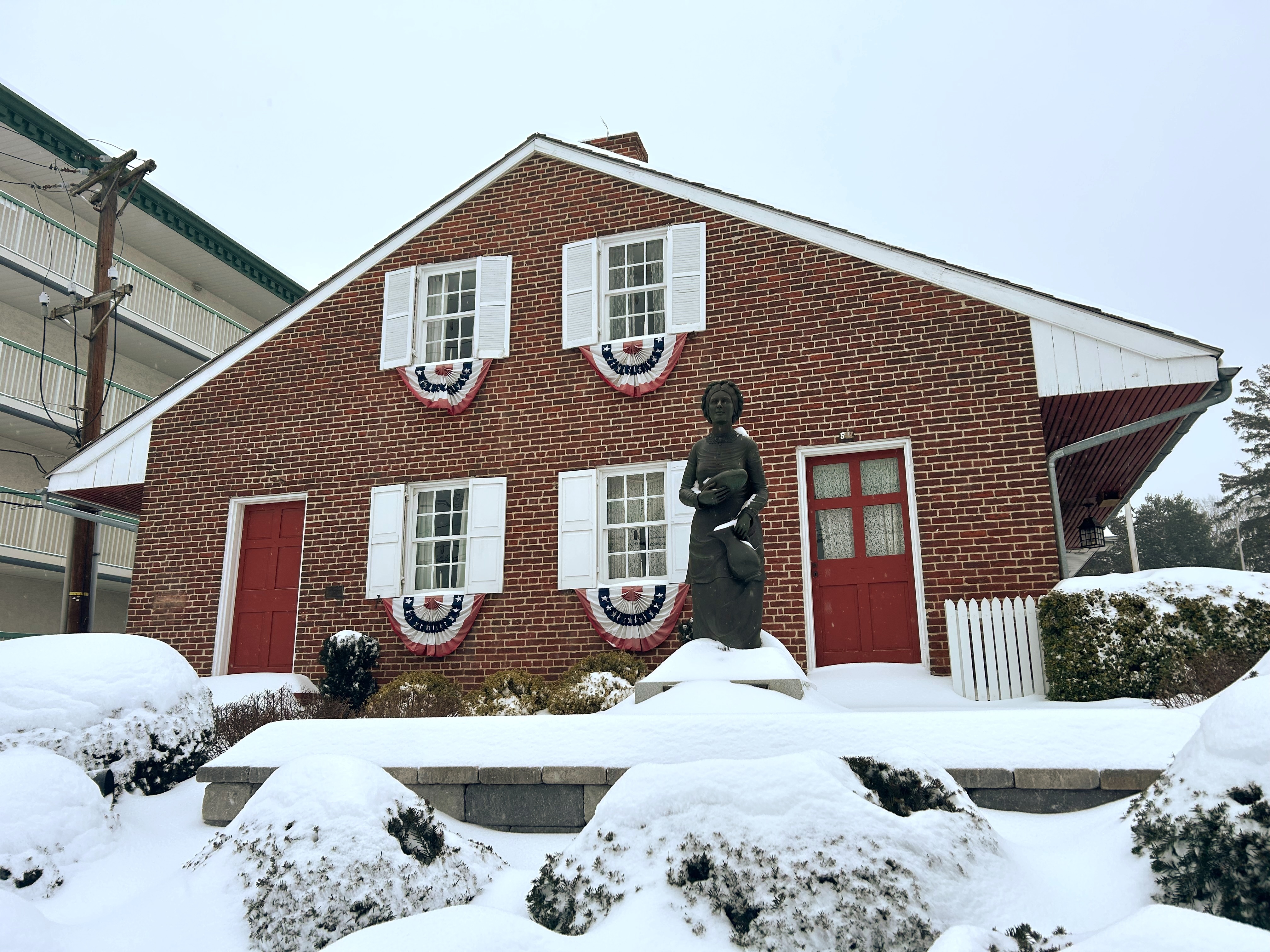
The Jennie Wade House remembers the only civilian killed during the battle. Mary Virginia "Jennie" Wade was struck by a stray bullet while baking bread for Union soldiers. Her story reminds us that leadership carries responsibility for those caught in the crossfire of our decisions.
Stories of Sacrifice
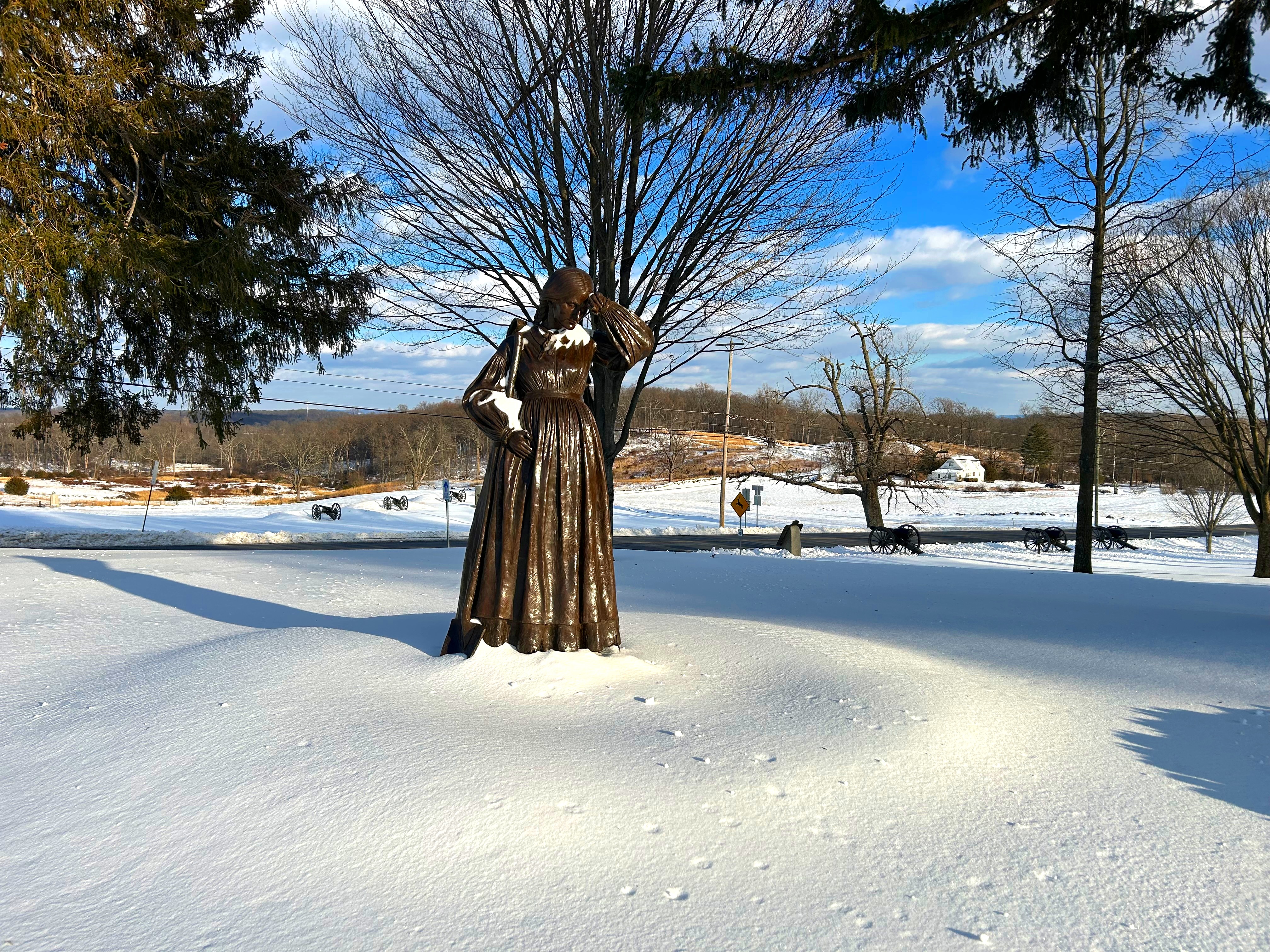
Elizabeth Thorn served as caretaker of Evergreen Cemetery during the battle. Six months pregnant, she buried over 100 soldiers in the aftermath while her husband served in the Union Army. True leadership often means doing what must be done when there's no one else to do it.
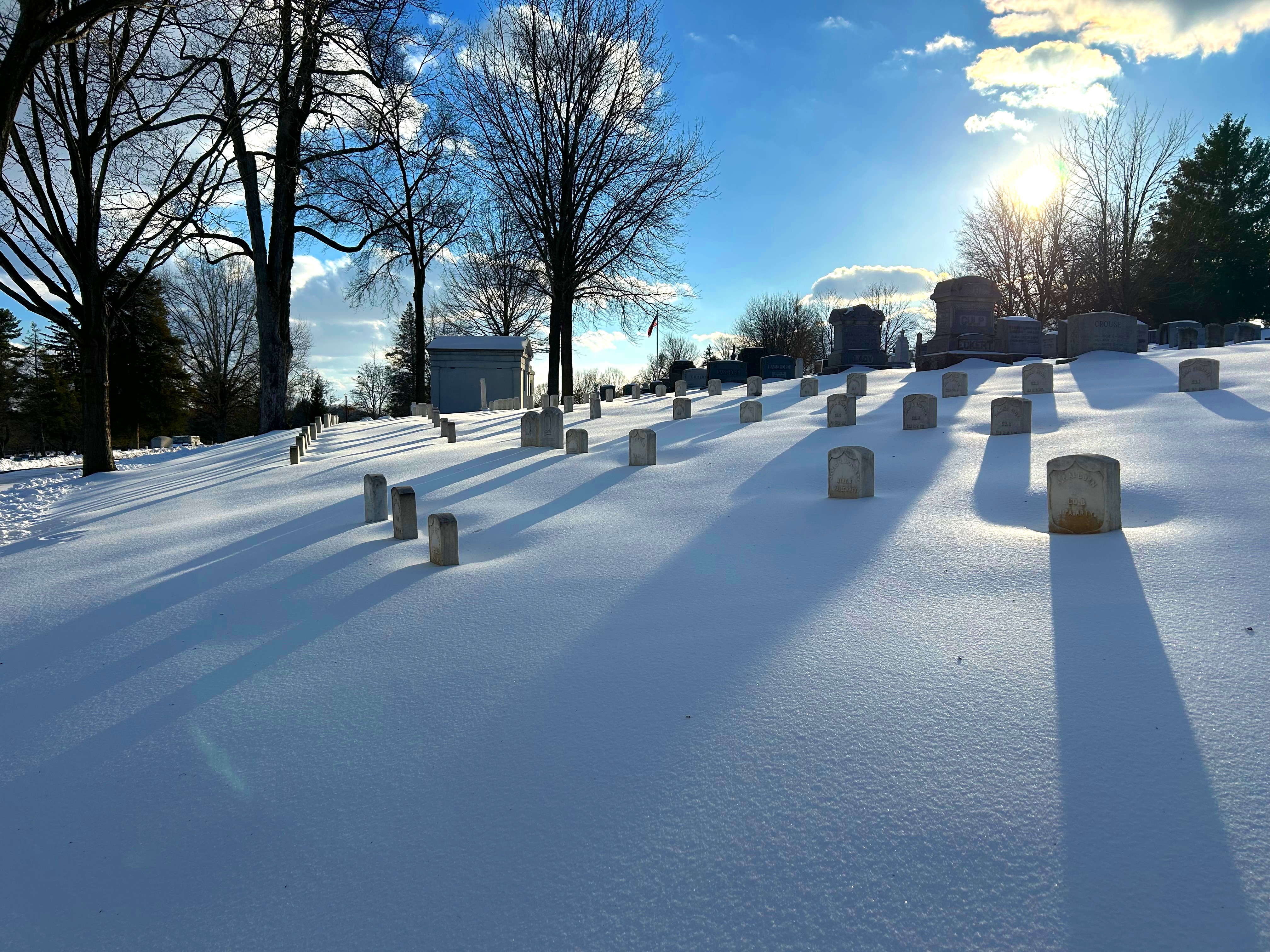
The graves Elizabeth Thorn tended rest under winter snow. Her legacy teaches us that the unglamorous work of recovery and healing is as vital as the dramatic moments of conflict.
The National Cemetery
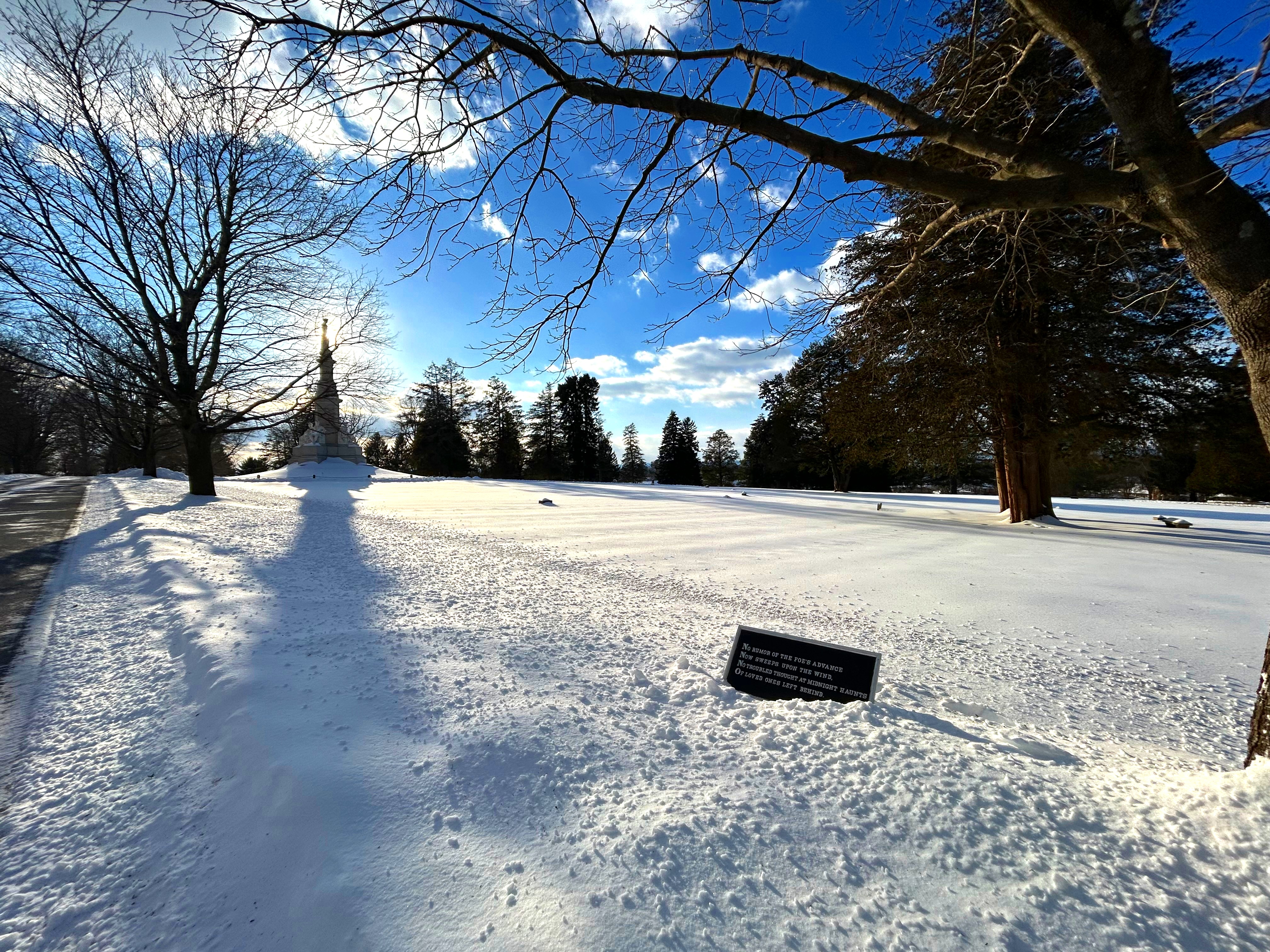
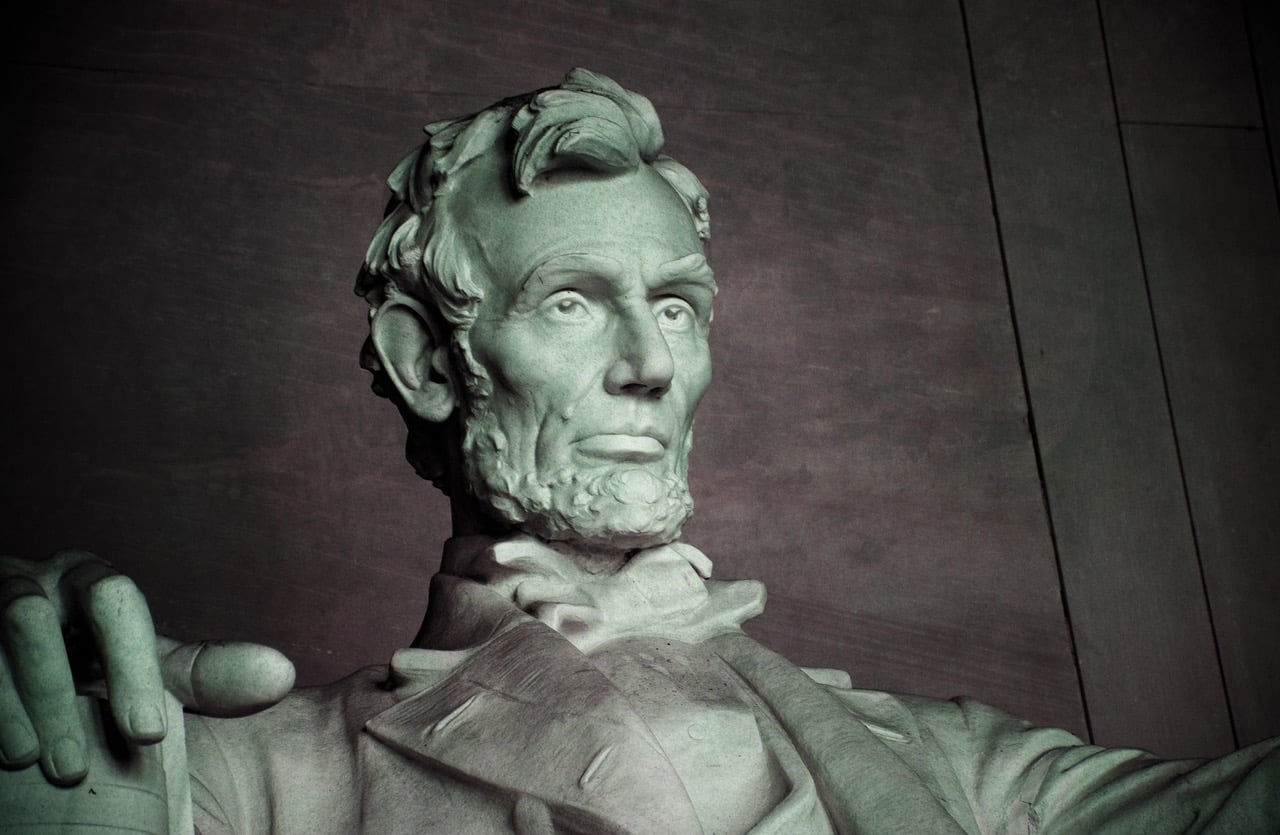
The Soldiers' National Cemetery, where Lincoln delivered his immortal address. "The world will little note, nor long remember what we say here, but it can never forget what they did here."
Lincoln was wrong about one thing—we do remember his words. They remind us that leadership is about meaning-making, about helping others understand why the struggle matters.
The Leadership of Reflection
These winter images capture what summer visitors rarely experience: the quiet that follows conflict. Every leader needs this kind of pause.
Before your next high-stakes decision, ask yourself:
-
What am I defending? Like Chamberlain at Little Round Top, what position must you hold at all costs?
-
What do I see that others miss? Like Warren surveying the battlefield, what threats or opportunities require your attention?
-
How will I communicate meaning? Like Lincoln at the cemetery dedication, how will you help your team understand the significance of their work?
-
Who depends on my decisions? Like Elizabeth Thorn caring for the fallen, who bears the weight of your choices?
Walk These Fields Yourself
The Gettysburg battlefield offers lessons that cannot be learned from books alone. Standing where leaders made impossible decisions changes how you think about your own challenges.
Ready to develop your leadership on this hallowed ground?
Our Gettysburg Leadership Experience is a 2.5-day immersive program that uses the battlefield as your classroom. Walk where Chamberlain held the line. Stand where Lincoln gave meaning to sacrifice. Develop the leadership presence that high-stakes moments demand.
Learn more about the Gettysburg Leadership Experience →
About the Photographer
These images were captured by Scott Avellino during a January 2026 snowstorm at Gettysburg National Military Park. Scott walked the battlefield in the quiet of winter, finding in the snow-covered landscape the same invitation to reflection that draws leaders to this hallowed ground.
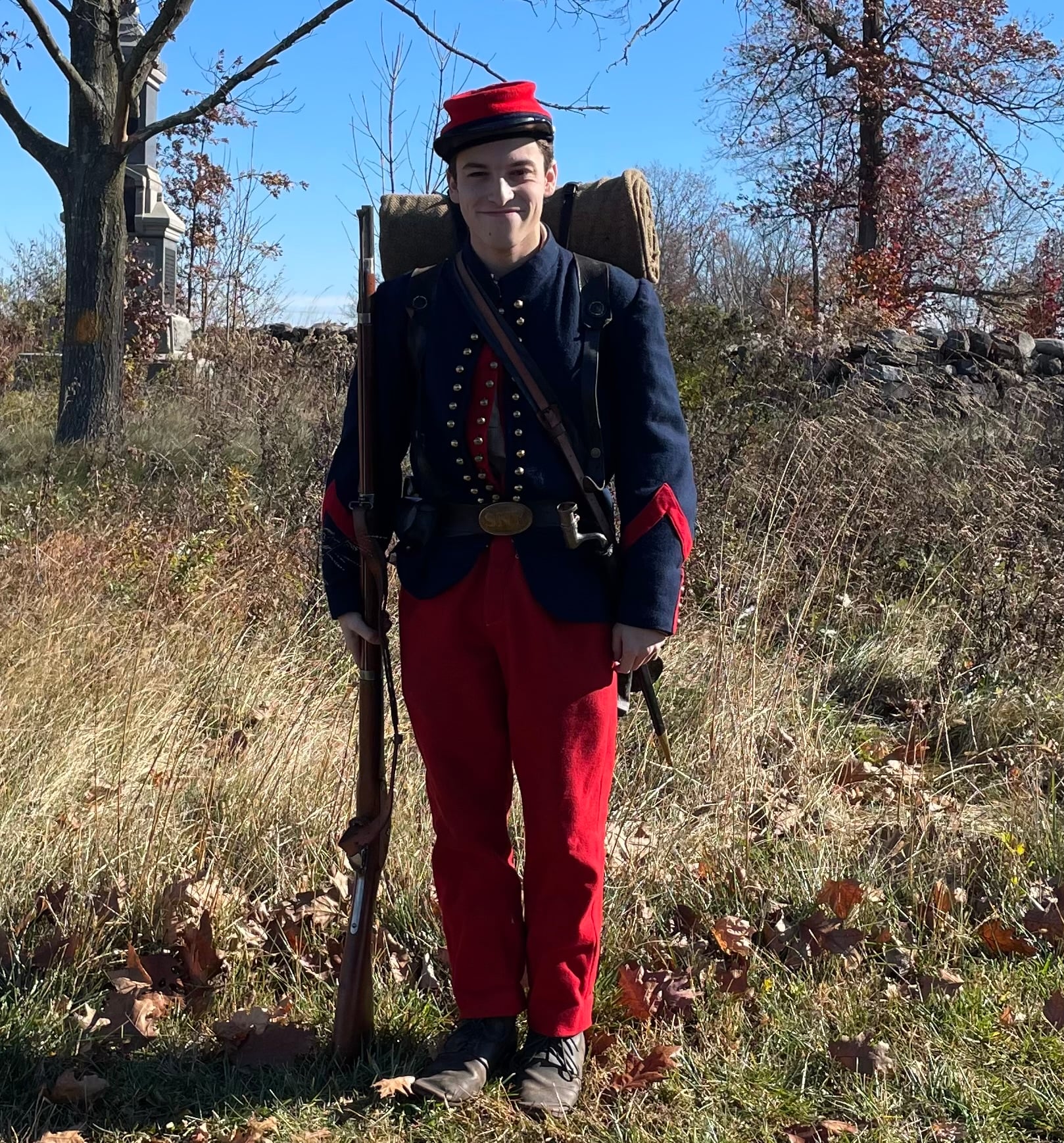
Client Relationship & Event Coordinator
Scott Avellino Jr. is the Client Relationship & Event Coordinator for the Lincoln Leadership Institute, helping clients and teams plan, coordinate, and execute programs from start to finish. Originally from Newtown Square, PA and now based in Gettysburg, PA, he brings a History background and a hands-on approach to making each experience run smoothly. Scott has been a Civil War Living Historian since 2010 and regularly supports programs on the battlefield by showing and explaining period uniforms and equipment. He does this because he cares about leadership and believes history's stories teach practical lessons about character and decision-making under pressure.
Experience it on the ground
These lessons come alive at Gettysburg
Reading about leadership is a start. Standing where the decisions were made changes how you lead. Join an open-enrollment program, or bring your team.